Home Blog

Top 5 Sites to Stream Manchester United vs Arsenal in Kenya (2025 Edition)

Top 5 Sites to Stream Manchester United vs Arsenal in Kenya

Top 5 Sites to Stream Manchester United vs Arsenal in Kenya (2025 Edition)

The Manchester United vs Arsenal rivalry is one of the most anticipated fixtures in world football, and in Kenya, it’s more than just a game — it’s a football festival. Whether you’re a die-hard Red Devils supporter or a passionate Gooner, you don’t want to miss a single second of this clash. With the 2025 Premier League season heating up, let’s explore the top 5 streaming options to watch the match live in Kenya, including the increasingly popular Waka TV.


Disclaimer:

While some fans may turn to unofficial streaming sites, these often pose serious risks, including exposure to malware, phishing attacks, and poor video quality. In many cases, they may also violate copyright laws. We strongly recommend using licensed and official streaming services to ensure you get a secure, reliable, and legal viewing experience.


1. Waka TV

Waka TV is quickly becoming a go-to platform for sports lovers in Kenya. Known for providing access to live football matches, Waka TV has built a loyal following by delivering high-quality streams at affordable rates.

  • Price: Varies depending on the package — starting from as low as KSh 500 per month.
  • How to Subscribe: Visit the Waka TV website or app, register, and choose your subscription plan. Payment can be made via M-Pesa.
  • Device Compatibility: Smartphones, tablets, smart TVs, and laptops.
  • Pros: Affordable, easy to access, and optimized for mobile data usage.
  • Cons: Some matches may be subject to broadcast restrictions.

2. Showmax Pro (with SuperSport)

Showmax Pro is a premium streaming service that offers live sports coverage through its partnership with SuperSport. It’s an official broadcaster of the Premier League in Africa, meaning you get HD-quality legal streams for every big match, including Manchester United vs Arsenal.

  • Price: KSh 2,100 per month for Showmax Pro Mobile, KSh 3,200 per month for Showmax Pro Standard.
  • How to Subscribe: Sign up at Showmax.com, choose the Pro plan, and pay via M-Pesa or card.
  • Device Compatibility: Mobile, smart TVs, gaming consoles, laptops.
  • Pros: Official rights holder, HD streams, replay features.
  • Cons: Higher cost compared to unofficial streams.

3. DStv Stream

DStv Stream (formerly DStv Now) is the online streaming service from MultiChoice, which owns SuperSport. With a DStv subscription, you can log in and watch the Man United vs Arsenal game live.

  • Price: Bundled with DStv packages; DStv Compact Plus (~KSh 5,900/month) or DStv Premium (~KSh 8,400/month) recommended for full sports access.
  • How to Access: Use your DStv login on the DStv Stream app or website.
  • Device Compatibility: Mobile, tablets, laptops, smart TVs.
  • Pros: Reliable HD stream, commentary in multiple languages.
  • Cons: Requires active DStv subscription.

4. YouTube Official Highlights

While you can’t watch the full match live on YouTube (due to broadcast rights), official Premier League and club channels upload match highlights within hours. This is a great option if you missed the live stream.

  • Price: Free.
  • How to Access: Search “Premier League” or “Manchester United Official” or “Arsenal Official” on YouTube.
  • Device Compatibility: Any device with internet access.
  • Pros: Legal, free, high-quality highlights.
  • Cons: No live streaming.

5. FuboTV (with VPN Access)

FuboTV is a US-based streaming service with extensive sports coverage, including the Premier League. It’s not officially available in Kenya, but you can access it via a VPN set to the United States.

  • Price: Approx. KSh 9,000/month ($65 USD).
  • How to Subscribe: Sign up on Fubo.tv using a US-based payment method, and use a VPN.
  • Device Compatibility: Mobile, smart TVs, streaming sticks, laptops.
  • Pros: Full HD streams, extensive sports channels.
  • Cons: Requires VPN, higher cost.

Tips for Stable Streaming in Kenya

  • Use an internet connection of at least 5 Mbps for smooth HD streaming.
  • Safaricom, Airtel, and Faiba offer sports-friendly data bundles — check for offers during match days.
  • For mobile streaming, close background apps to save data and battery.
  • Consider connecting your phone or laptop to a TV for a bigger viewing experience.

Final Thoughts

The Manchester United vs Arsenal match is always a thriller, and Kenyan fans have more streaming choices than ever. If you want an affordable, mobile-friendly option, Waka TV is worth considering. For official, HD, and fully licensed coverage, Showmax Pro and DStv Stream remain the top picks. Whichever platform you choose, make sure to prepare in advance — you don’t want to be scrambling for a stream when the first whistle blows!

Have you tried streaming the Man United vs Arsenal game using any of these platforms? Share your experience in the comments below.

Kennedy Agyapong (Kenpong): Biography, Business Empire, Politics & Controversies

Kennedy Agyapong Kenpong

Kennedy Agyapong Kenpong : Biography, Business Empire, Politics & Controversies

Explore the life of Kennedy Agyapong—business magnate, long-time MP, and outspoken political voice in Ghana. Dive into his early life, business ventures, parliamentary legacy, legal battles, and philanthropic works.

Early Life & Education

Born: 16 June 1960 — Assin Dompim, Central Region, Ghana.

Kennedy Ohene Agyapong grew up in a modest family with early exposure to commerce and a strong drive to succeed. He attended the prestigious Adisadel College for his secondary education. Seeking broader opportunity, he later studied in the United States and attended Fordham University where he pursued studies in economics and business.

In the U.S., Agyapong worked hard — at one point driving a taxi in the Bronx — and used those early entrepreneurial lessons to build a foundation that served him well on return to Ghana.

Business Empire

On returning to Ghana, Agyapong diversified across sectors — from media to real estate, agribusiness to retail. His business portfolio has given him significant influence in Ghana’s private sector.

Major holdings & ventures

  • KenCity Media — includes radio and TV assets such as Oman FM, Net 2 TV, Ashh FM, and other outlets.
  • Real Estate — numerous residential and commercial properties across Accra, Tema, and Kumasi.
  • Agribusiness and Cold Storage — investments in farms and processing/storage facilities to support food distribution.
  • Retail & Manufacturing — shopping centres, small industrial holdings, and trading companies.

Business strategy & influence

Agyapong’s approach blends media ownership with political engagement — a combination that amplifies his public voice while supporting his business interests. He has used his media platforms to reach broad audiences and promote his messages, campaigns, and brand partnerships.

Political Journey

Kennedy Agyapong entered national politics at the turn of the millennium and quickly became one of Ghana’s most recognizable MPs.

Parliamentary service

He was first elected to Parliament in 2000 and served as MP for Assin North before later representing Assin Central. Over multiple terms he has chaired and served on powerful committees including the Defense & Interior Committee and the Judiciary Committee.

Political style

Agyapong is known for his forthright, sometimes combative style — he often speaks directly and vocally on corruption, governance, and policy. This persona has won him devoted supporters as well as vocal critics within and outside his party, the New Patriotic Party (NPP).

Net Worth & Lifestyle

Estimations of Kennedy Agyapong’s net worth vary widely across sources. Figures commonly cited range from approximately $120 million to $400 million, reflecting divergent reporting standards and the private nature of many assets.

Lifestyle & assets

Public accounts and media reports describe a high-end lifestyle consistent with his wealth profile — luxury vehicles, sizable property holdings, and reported high-value purchases. He is also known to maintain close ties with business elites and political stakeholders.

Philanthropy

Beyond politics and business, Agyapong has been involved in philanthropic projects that include:

  • Scholarships and support for underprivileged students.
  • Health and community infrastructure donations.
  • Funding local sports and youth development programs.

His contributions have strengthened his local support base and built goodwill in his constituency.

Controversies & Legal Battles

Kennedy Agyapong’s public life has included several contentious legal and media encounters. Below are some of the most high-profile disputes:

Defamation case vs Anas Aremeyaw Anas

A particularly prominent legal battle involved investigative journalist Anas Aremeyaw Anas. The case drew international attention with complicated rulings and appeals. At one point, a jury verdict awarded a large punitive sum that was later reduced by a judge — a sequence that emphasised how libel, jurisdiction, and public interest collide in cross-border cases.

Kweku Baako defamation suit

Editor Kweku Baako Jr. also sued Agyapong in relation to public statements; the suit resulted in a court decision in favor of Baako in 2020, underscoring the legal risks of incendiary commentary.

Political friction & party disputes

Inside party politics and public life, Agyapong has had notable disagreements with other NPP leaders — especially around policy, messaging, and leadership direction. His public comments have occasionally prompted internal party rebukes and media backlash.

Taxation & audits

There have been reported disputes with tax authorities and regulatory bodies — often framed publicly by Agyapong as heavy-handed enforcement, while authorities maintain audits are routine compliance measures.

Quick Facts

Born 16 June 1960, Assin Dompim
Education Adisadel College; Fordham University (Economics & Business)
Political Office MP since 2000 (Assin North, then Assin Central)
Business Interests Media, Real Estate, Agribusiness, Retail
Estimated Net Worth $120M – $400M (varied estimates)
Family Married; multiple children
Notable Issues Defamation cases, public controversies, strong media presence

Sources & Disclaimer

This article compiles publicly available information from media reports, court records, and public profiles. Estimates of net worth and some personal details vary between sources; where figures are reported, they are often estimates and should be treated as such.

Some of the reffeence pages 

Nyege Nyege Festival 2025: The Gathering of the Flame at Kalagala Falls

Nyege Nyege Festival 2025 Uganda

A Decade of Sound, Community & Renaissance

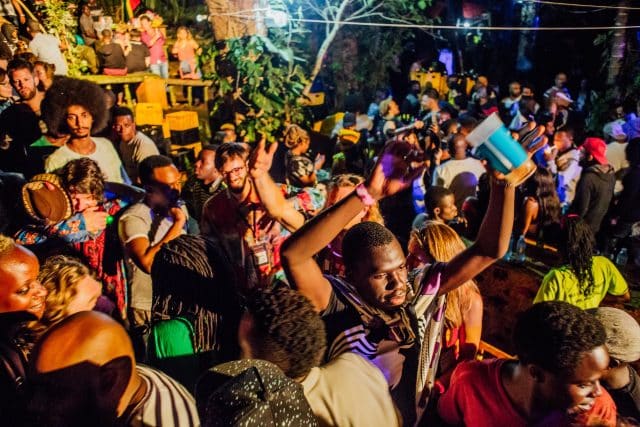
What began in 2015 as an underground party on the banks of the Nile has grown into one of the world’s most exciting cultural gatherings. The Nyege Nyege Festival — Luganda for “the irresistible urge to dance” — turns 10 years old in 2025, marking the milestone with a spectacular edition themed Ekigunda Ky’omuliro – The Gathering of the Flame.

“This year, we celebrate a decade of journeys — honoring our past and envisioning the future. What makes Nyege Nyege truly unique: the music, the people, the vibe, the nature, and the community that carries it all,”
Official Nyege Nyege Statement

Nyege Nyege Festival 2025 Uganda


The Portal Re-Opens at Kalagala Falls

From November 20–23, 2025, the festival will unfold at Adrift Overland Camp & River Club in Kangulumira, Uganda — a location sacred to the Nile’s history and deeply tied to local communities.

Why this location matters:

  • Sweeping river views & sacred trees
  • On-site bungee jumping & kayaking
  • Just 20 mins from Jinja & 2.5 hrs from Kampala
  • 3.5 hrs from Entebbe International Airport

This partnership with local custodians also ensures environmental protection and community empowerment.


Six Stages, 300+ Artists

The 2025 edition will feature six stages with over 300 performers from Africa and the diaspora. Expect a mix of:

  • Ancestral African rhythms
  • Experimental underground sounds
  • Global club culture beats
  • Diasporic influences from the Caribbean & Latin America

🎥 TikTok – @afrobeatnomad:
“There’s nothing like waking up to the sound of drums and the roar of the Nile. Nyege Nyege isn’t just a festival — it’s a portal.”


Beyond Music: Fashion, Film & Adventure

1. Kwetu Kwanza Festival – Fashion Sanctuary

A “festival within a festival” celebrating African fashion. Expect:

Runway takeovers

Wearable art installations

Heritage + avant-garde couture

🎥 TikTok – @africanfashiondaily:
“This isn’t just a runway, it’s a cultural explosion.”


2. Matatu Film Stage

Bold African cinema takes the spotlight with powerful storytelling and fresh perspectives.

Possible Screenings: Independent films from Uganda, Kenya, Nigeria, and beyond.


3. The Adventure Hub

In partnership with ADRIFT:

  • Raft into the festival
  • Kayak on the Nile
  • Bungee jump on site
  • Quad biking & guided tours nearby

With Sauti Safari, extend your trip with gorilla trekking and wildlife safaris.

🎥 TikTok – @ugandatravelvibes:
“From rafting into the festival to dancing barefoot at midnight — only in Uganda.”


A Global Call to Artists

From Lagos to Nairobi, Bogotá to Durban, and São Paulo to Kampala, Nyege Nyege is calling creatives worldwide to gather and co-create.

The festival has become a cultural map rooted in:

  • Sound
  • Art
  • Solidarity
  • Joy

  • Economic & Social Impact

Nyege Nyege isn’t just a party — it’s an economic engine.

  • 2024 edition injected over $10 million into Uganda’s economy.
  • Boosts hotels, transport, street vendors, and artisan markets.
  • Creates thousands of direct and indirect jobs.

🎥 TikTok – @rolextouruganda:
“You haven’t done Nyege Nyege until you’ve had a Rolex at 4 a.m. by the river.”


Controversy & Cultural Resilience

The festival has faced pushback from conservative groups — including a near-ban in 2018 — but emerged stronger, gaining recognition from The Guardian, New York Times, and Le Monde.


The Vibe – In Attendees’ Words

  • “It’s four days where the world feels open again.” — Nairobi festivalgoer
  • “I came for the music, stayed for the people, and left with a new sense of Africa’s creative power.” — Kinshasa artist
  • “The only place I’ve danced 12 hours straight, barefoot under the stars.” — TikTok user @afrobeatsinmyveins

Staying in the Vortex – Accommodation

  • Riverside & forest campsites (tent rentals available)
  • Partner lodges & hotels nearby
  • VIP experiences at River Club & Kipling Lodge
  • Booking opens soon at nyegenyege.com.

Quick Facts – Nyege Nyege 2025

  • Dates: Nov 20–23, 2025
  • Location: Kalagala Falls, Uganda
  • Artists: 300+
  • Stages: 6
  • Theme: Ekigunda Ky’omuliro – The Gathering of the Flame
  • Tickets: Available now at nyegenyege.com
  • Social: @nyegenyegefest | #Nyege10 | #ThePortalReOpens

South Africa’s Digital ID Rollout: What You Need to Know

South Africa’s Digital ID

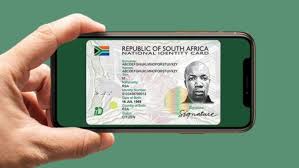
As of August 6, 2025, MTN South Africa has launched the country’s first reusable biometric digital ID, now available across all its stores. This marks a significant milestone in identity technology. This report outlines the details of this development, its place within the broader evolution of national identity in South Africa, and its implications for citizens and service delivery.


1. 🆕 MTN’s Biometric Digital ID—What’s New


According to TechAfricaNews, MTN has successfully rolled out a reusable biometric digital ID system across all its stores in South Africa Open Knowledge Repository+1African Billionaires Daily+3FX Leaders+3Business Insider Africa+3. This digital credential is characterized by the following:

  • It is securely stored on a digital platform provided by MTN.
  • It utilizes biometric data, likely fingerprint or facial recognition, as opposed to static physical cards.
  • Its “reusable” nature means users can conveniently carry and present it digitally via a smartphone application, eliminating the need for repeated physical issuance.
  • It represents a pioneering identity solution delivered by a telecommunications provider in South Africa.

While the full scope of the program is still emerging, MTN’s initiative reflects a broader national drive towards digital identity innovations.


2. 🏛️ Why Digital IDs Matter — South Africa’s Identity Context

a) From Apartheid Tools to Inclusive IDs

During the apartheid era, identity systems, including pass laws and Identity Books, functioned as instruments of restriction and surveillance. Black and other non-white citizens were compelled to carry pamphlets and cards that dictated where they could reside and work. These tools were instrumental in facilitating forced removals and widespread repression Wikipediathisbugslife.com.

Following the advent of democracy in 1994, the new government embarked on a journey to establish a more inclusive national ID system, progressively moving towards standardized documentation free from racial coding SpringerLinkOpen Knowledge Repository.


b) Green Barcoded ID Book & Smart ID Card


The long-standing green barcoded ID book, initially introduced in the 1950s for specific racial groups, remained in nationwide use until recently. It contained personal details and, historically, racial classification codes embedded within the ID number

In 2013, the government introduced the plastic Smart ID Card, which features:

Embedded biometric features (fingerprint, photo) and microchips.

Enhanced forgery resistance and security.

Issuance to all citizens and permanent residents aged 16 and above.

It is currently in the process of replacing the green booklet, with a full phase-out anticipated between 2029 and 2031


c) National Identity Number Format


The standard 13-digit South African ID number adheres to the structure YYMMDD SSSS C A Z:

YYMMDD: Represents the date of birth.

SSSS: A daily sequence number (0–4999 for females, 5000–9999 for males).

C: Indicates citizenship status (0 = citizen, 1 = permanent resident).

A: A historical racial code (now consistently 8 or 9 post-1994).

Z: A checksum digit calculated using the Luhn algorithm thisbugslife.com+3Wikipedia+3Wikipedia+3.

This ID number is fundamental for accessing public services, banking, employment, voting, and social grant systems like SASSA Wikipedia+2sagovinfo.co.za+2.


d) Digital Transformation: HANIS & Biometrics


The Home Affairs National Identification System (HANIS) and the integration of NEC’s biometric AFIS system signify a crucial shift from paper-based files (over 45 million physical records) to a digital national registry. These systems facilitate real-time fingerprint searches, significantly reduce identity fraud, and streamline the processes of identity issuance and verification Wikipedia.


3. 🔎 Comparing MTN’s Digital ID with Government Identity Systems


Feature MTN Biometric Digital ID Government Smart ID Card
Issuer MTN South Africa (telecom) Department of Home Affairs
Form Digital app (reusable credential) Physical smart card (plastic)
Biometric Storage Likely on-device/cloud Microchip with fingerprint/photo
Primary Use Case Quick verification via MTN outlets National identity document for all uses
Portability Smartphone-based Card must be carried
Cost Likely low or bundled R140 per application
Scope Initially MTN retail network users All citizens/permanent residents

MTN’s biometric ID primarily focuses on providing convenient, reusable identity verification for its customers, potentially supporting mobile onboarding, SIM registration, micro-payments, or other digital services.

In contrast, government IDs serve as universal proof of identity, legally mandated for a wide array of official purposes.


4. 🚀 Why MTN’s Rollout Is Significant


Private-sector innovation: MTN’s entry into identity solutions highlights the increasing role of mobile operators in developing digital public infrastructure.

Digital-first credential: A reusable digital ID reduces reliance on physical cards and allows for easier updates.

Biometric coverage: This strengthens verification processes and helps reduce fraud in areas like SIM registrations, grant applications, and e-government services.

Catalyst for broader adoption: If successful, MTN’s model could pave the way for future partnerships with the state ID system.


5. 📜 Evolution of South Africa’s ID System


a) Pass Laws & Dompas (19th century–1986)


Passbooks, commonly known as “dompas,” were instrumental in enforcing restrictions on Black movements and formed a foundational element of the apartheid regime’s control apparatus

b) Green Barcoded ID Book (1950s–today)


Initially issued to white citizens and later extended, this document embedded racial coding into ID numbers and reinforced exclusionary systems Bulawayo24 Newsthisbugslife.com.


c) Smart ID Card (launched 2013)


Modernization efforts led to the introduction of embedded biometrics, microchips, and more secure authentication. The ongoing phase-out of the green book ensures a robust, forgery-resistant national ID


d) HANIS and Digital Registry


The transition to digital identity, supported by fingerprint databases and home-based verification, enabled integrated citizen registers and reduced reliance on paper records WikipediaOpen Knowledge Repository.


e) Private Identity Initiatives (2025–)


MTN’s rollout represents a new phase: private-sector enabled digital identity verification, linked to telecom services and providing reusable, biometric-based credentials.


6. ✅ What This Means for South Africans

Convenience & accessibility: Users can verify their identity via a smartphone, which is particularly beneficial for remote or underserved areas.

Fraud reduction: Biometric authentication significantly increases the difficulty of spoofing and document forgery.

Digital access: New digital identities can facilitate easier onboarding for mobile services, grants, and e-commerce platforms.

Transition risk: The coexistence of multiple ID types (green book, smart card, digital ID) may lead to confusion, necessitating coordinated phasing strategies.

7. 🕓 Outlook: What Comes Next

Wider adoption: Should MTN’s initiative prove successful, other operators and fintech firms may follow suit with similar systems.

Government partnerships: Potential integration with Home Affairs systems could lead to digitized national IDs.

Regulatory oversight: Clear standards for data privacy, storage, and verification will be crucial, especially concerning biometric data.

User education: It is essential that South Africans are well-informed about how to use digital IDs, manage legacy cards, and protect their biometric data.


8. 🧭 In Summary

South Africa’s identity system has evolved significantly, from exclusionary passbooks and racially coded ID numbers to a biometric smart card system. Now, private-sector digital identity innovations, such as MTN’s biometric digital ID, mark a new chapter. This reusable, biometric solution, tied to telecom services, enhances identity verification accessibility for millions. It builds upon decades of reform and infrastructure investments, signaling a new era where physical cards may transition towards secure electronic credentials.

The High Price of Digital Deception: A 2025 Warning Against Carding in Africa’s Fraud Economy

What is Carding?

In the heart of Africa’s burgeoning digital landscape, a shadow economy thrives, fueled by a sophisticated and increasingly dangerous form of cybercrime. A generation has come to rely on mobile banking, e-commerce, and digital payments, but the threat is no longer distant. In 2025, fraud has evolved from a simple online scam into a multi-billion dollar criminal enterprise that has devastating real-world consequences for individuals, businesses, and even national economies. This article is not a guide to a get-rich-quick scheme; it is an urgent warning, an exposé of a digital deception that promises freedom but delivers only ruin.


What is Carding?


At its core, carding is the illegal act of using stolen or fraudulently obtained credit, debit, or gift card information to make unauthorized purchases. This is not a crime of opportunity but a highly organized and automated process. Criminals don’t simply find a card; they acquire vast lists of compromised data from the dark web, often through massive data breaches, phishing scams, or the use of physical skimming devices on ATMs and gas pumps. This illicit data includes everything from the cardholder’s name and number to the expiration date, CVV code, and billing address—all the information needed to impersonate a legitimate customer. “Carding” refers to the process of using these stolen details to make transactions.

The INTERPOL 2025 Africa Cyberthreat Assessment Report paints a stark picture of the continent’s vulnerability. According to the report, two-thirds of African member countries surveyed stated that cyber-related crimes account for a medium-to-high share of all crimes. Online scams, including phishing—a primary method for acquiring card data—are the most frequently reported cybercrimes. The report’s findings underscore that as Africa’s digital transformation accelerates, so does its exposure to sophisticated fraud. Neal Jetton, INTERPOL’s Cybercrime Director, noted, “It paints a clear picture of a threat landscape in flux, with emerging dangers like AI-driven fraud that demand urgent attention. No single agency or country can face these challenges alone.”


The Illusion of Easy Money and the TikTok Deception


For many young people, especially those facing high unemployment, the promise of easy money from carding can be intoxicating. Online forums and social media groups, often disguised with cryptic language, sell the idea of a simple “hustle” that can lead to a lavish lifestyle. In 2025, TikTok has become a primary pipeline for this deception.

TikTokers and social media influencers increasingly flaunt videos that subtly or overtly promote these illegal money-making schemes. These videos show off luxury cars, stacks of cash, and expensive gadgets with captions and hashtags that hint at a secret, illicit source of wealth. Comments on these videos reveal a public debate. Some users express envy, while others issue stark warnings. Swahili slang is often used to discuss these crimes, with one comment on a recent video warning, “Carding ukiosha ule mbaya wewe tutakupata sayun” (If you get too greedy with carding, we will find you soon). Another user in Kenya warned, “Interpol watching closely,” showing that the public knows about the legal risks.

However, the “carders” who flaunt their wealth are not ordinary individuals but highly organized criminals at the top of the pyramid. The vast majority of those who get involved are simply pawns—what law enforcement calls “money mules.” They receive fraudulently purchased goods or launder stolen money, taking all the personal and legal risk while the kingpins remain in the shadows.

A person becomes a co-conspirator the moment they accept a package bought with a stolen card or agree to transfer illicit funds. The goods they receive are not “free” but evidence of a felony. The money they touch is not a profit but part of a crime, and they are now inextricably linked to a criminal network with international reach.


The Real-World Impact: Cases from Kenya and Nigeria


The threat of carding is not an abstract concept. It is a clear and present danger with severe consequences, as recent cases across the continent show. Law enforcement agencies are not only aware of these threats but actively cooperate to dismantle these criminal networks.

In Kenya, the scale of the problem is staggering. According to the Communications Authority of Kenya (CA), the country reported a staggering 4.5 billion cyber threat incidents between April and June 2025, an 80.7% jump from the previous quarter. This surge highlights how quickly criminals exploit the nation’s digital infrastructure. A high-profile case from late 2024 saw authorities arrest 24 Kenyans in connection with a vast credit card fraud scheme. The suspects were accused of stealing over $8.6 million (Ksh 1.1 billion) by altering banking system security protocols. They then funneled these funds through the SWIFT system to companies in various countries, including Nigeria. The case brought to light the sophisticated nature of these operations and, most disturbingly, the involvement of insiders who can aid criminals from within financial institutions.

Nigeria, a key hub for cybercrime in Africa, has also seen a significant number of crackdowns. The Economic and Financial Crimes Commission (EFCC) has made numerous arrests as part of a relentless campaign against fraudsters. In January 2025, the EFCC arrested 105 suspects, including four foreign nationals, in Abuja for a hotel review job scam that targeted victims in the United Kingdom. This operation revealed the intricate web of deceit used to defraud victims and the global reach of these Nigerian-based syndicates. This followed a major sweep in December 2024 where police arrested 792 suspected fraudsters in Lagos, underscoring the problem’s scale.

These cases, often carried out as part of major international collaborations like INTERPOL’s Operation Serengeti and Operation Red Card, demonstrate that the days of anonymous online crime are over. The international law enforcement community works together to track, arrest, and prosecute these criminals wherever they operate.


Physical Threats: When Digital Fraud Becomes Real


While much of carding occurs in the digital realm, the pathway to fraud often begins in a physical space. In Kenya, this is particularly true in social settings. A common and dangerous threat involves discreetly compromising a victim’s card information in places like bars, restaurants, or clubs. A waiter or bartender, often colluding with a syndicate, can easily take a picture of the front and back of your card while processing a payment, giving them all the details needed to clone it or use it for online purchases.

A far more sinister and localized threat is known by the slang term “mchele,” which refers to the act of spiking someone’s drink with a drug. This crime, sadly prevalent in Nairobi and other major cities, is not just about physical assault; it is a direct line to financial fraud. Once a victim is incapacitated, criminals steal their phones, wallets, and cards. They then use the stolen cards to make fraudulent transactions, often draining the victim’s accounts. This horrific crime merges physical violence with digital theft, showing the extreme lengths these criminal networks go to for illicit gain.


Protecting Your Cards: A Digital Self-Defense Guide


In this environment of heightened risk, protecting your personal and financial information is more critical than ever. The FBI’s website provides a number of clear and actionable tips, many of which are more relevant in 2025 than ever before.

Practice Diligent Account Monitoring: This is your first and best line of defense. Regularly check your bank and credit card statements for any unfamiliar transactions. Many banks and financial apps offer real-time transaction alerts, which can notify you of suspicious activity as it happens, allowing you to freeze your card instantly.

Be Cautious with Physical Card Readers: Skimming devices remain a major threat. Before using an ATM or a fuel pump, check for anything that looks loose, crooked, or out of place. Always cover the keypad with your hand when entering your PIN. Use the tap-to-pay feature with your chip card whenever possible, as it creates a unique, encrypted code for each transaction, making it far more secure than swiping.

Strengthen Your Digital Defenses: Use strong, unique passwords for all your online accounts, especially those linked to your finances. Enable multi-factor authentication (MFA) whenever it’s an option. This adds an extra layer of security, requiring a code from your phone or email in addition to your password, making it much harder for a fraudster to gain access even if they have your login credentials.

Stay Informed and Skeptical: Scammers constantly evolve their tactics. Be suspicious of emails, text messages, or phone calls that ask for your personal or financial information. Your bank will never call you to ask for your PIN, CVV, or full card number. Don’t click on suspicious links or download attachments from unknown sources.


The Consequences: A Life Sentence, Not a Livelihood


The most important part of this discussion is the brutal reality of what happens when you are caught. The narrative of the “hustler” quickly gives way to a harsh legal and personal nightmare. The consequences of carding extend far beyond a few months in jail; they can destroy a life.

Severe Legal Penalties: Carding is not a minor offense. It is a serious felony, often prosecuted as wire fraud, bank fraud, and identity theft. In many countries, convictions carry sentences of several years in prison, substantial fines, and mandatory restitution—meaning you must pay back every cent of what was stolen. The resulting criminal record can make it nearly impossible to get a job, a loan, or even rent a home for the rest of your life.

International Law Enforcement Cooperation: The global nature of carding means national borders offer no protection. Agencies like INTERPOL and the FBI work in close collaboration with local law enforcement to track and apprehend perpetrators. The idea of being an anonymous criminal is a myth; the digital world leaves a trail that international agencies are built to follow.

Personal and Economic Ruin: For individuals involved, the promised riches never materialize. Instead, they face a future of economic exclusion, with a criminal record that haunts them long after their prison sentence is served. The financial loss to victims, from individuals to multinational corporations, can be staggering, leading to a rise in consumer costs and a decline in public trust in the digital economy. As Jalel Chelba, acting executive director of AFRIPOL, said, “Cybersecurity is not merely a technical issue; it has become a fundamental pillar of stability, peace, and sustainable development in Africa. It directly concerns the digital sovereignty of states, the resilience of our institutions, citizen trust and the proper functioning of our economies.”

The appeal of “carding” is built on a foundation of lies—the lie of easy money, the lie of anonymity, and the lie that it is a victimless crime. In 2025, the reality is a ruthless criminal ecosystem that preys on the vulnerable and leaves a trail of ruined lives, both for the victims whose money is stolen and for the young people who fall for the false promises. The only way to win this game is not to play. The smart choice is to protect yourself, your loved ones, and your community by staying informed, securing your digital life, and understanding that the true cost of digital deception is a price no one should have to pay.

Here is a video that shows a Citizen TV investigation into the “mchele” drink spiking phenomenon in Kenya. Citizen TV goes underground to investigate spiking drinks of revelers
Best Job Websites in Zambia for 2025: Where to Find Work Fast

Job Websites in Zambia

In the competitive job market of Zambia, knowing where to look for employment can make all the difference. Whether you’re a recent graduate, an experienced professional, or someone looking to change careers, a growing number of digital platforms can help you find your next opportunity quickly and efficiently.

Here are the top 10 job websites in Zambia for 2025, perfect for every job seeker.


1. GoZambiaJobs.com


🔗 www.gozambiajobs.com

Go Zambia Jobs has long been a go-to resource, with a reputation for being the most popular and trusted job board in the country. Since its launch in 2012, it has offered a wide array of job listings in government, NGOs, education, banking, and many other sectors. You can easily filter by province, industry, or job type, and the site also provides helpful career tips, CV writing guides, and scholarship information.

Why it’s great:

  • User-friendly and easy to navigate.
  • Consistently updated with new listings.
  • No account needed to browse jobs.


2. JobsInZambia.com


🔗 www.jobsinzambia.com

As part of the JobsInAfrica network, JobsInZambia posts dozens of new listings daily, including opportunities within Zambia and from companies operating across the African continent. The platform allows you to create a professional profile and upload your CV, which can be seen by potential employers.

Why it’s great:

  • Offers a huge variety of job listings.
  • You can search by sector or location.
  • Provides helpful email alerts for new openings.


3. JobWeb Zambia


🔗 www.jobwebzambia.com

JobWeb Zambia is an excellent resource, especially for those interested in NGO, UN, and government roles. The site has dedicated sections for graduate jobs, internships, and scholarships, making it a great place to start for students and recent graduates.

Why it’s great:

  • Specializes in development and NGO jobs.
  • Features a useful section for graduate roles.
  • Provides helpful CV and cover letter templates.


4. BestZambiaJobs.com


🔗 www.bestzambiajobs.com

BestZambiaJobs features a growing directory of local job listings and offers recruitment services. The site also includes job application tips and a resume upload feature that helps you get noticed by recruiters.

Why it’s great:

  • Allows you to post your resume.
  • Offers free job alerts.
  • Provides a recruitment tool for local businesses.


5. ZambiaJobsPortal.com


🔗 www.zambiajobsportal.com

ZambiaJobsPortal.com acts as a job aggregator, pulling listings from various companies and platforms into one convenient place. One of its standout features is the option to receive job alerts via WhatsApp, which is perfect for mobile users.

Why it’s great:

  • Offers convenient WhatsApp job alerts.
  • Designed with a mobile-first approach.
  • Provides curated job updates from multiple sources.


6. MyJobMag Zambia


🔗 www.myjobmag.co.zm

A well-known name across Africa, MyJobMag also has a dedicated Zambian portal. It provides daily job updates, company reviews, and salary guides. The website is also a valuable resource for career tools like aptitude test preparation and interview tips.

Why it’s great:

  • Features detailed job descriptions.
  • Includes company reviews and career tools.
  • Offers a salary checker.


7. AllJobs Zambia


🔗 www.alljobs.co.zm

AllJobs Zambia aggregates listings from various company websites and other job boards, making it a good choice for quickly Browse a broad range of general listings.

Why it’s great:

  • Offers a broad selection of listings.
  • Features a simple, easy-to-use interface.
  • Good for Browse jobs by category.


8. BrighterMonday Zambia


🔗 www.brightermonday.co.zm

Part of one of East Africa’s largest job networks, BrighterMonday’s Zambian portal is quickly gaining popularity. It allows job seekers to build a digital profile, take skill assessments, and get matched with jobs using smart technology.

Why it’s great:

  • Uses a personalized job-matching system.
  • Provides skill tests and employer ratings.
  • Helps companies with their employer branding.


9. UNJobs Zambia Section


🔗 www.unjobs.org

While not exclusive to Zambia, the UNJobs website features vacancies from UN agencies, embassies, and other international organizations with operations in the country. It is an excellent resource for high-skill roles in fields like development, policy, health, and education.

Why it’s great:

  • Lists international NGO and UN job openings.
  • Ideal for policy, aid, and development roles.
  • Connects job seekers with high-quality employers.


10. LinkedIn Zambia Jobs


🔗 www.linkedin.com/jobs

LinkedIn is becoming the platform of choice for many Zambian employers looking to hire professional talent. With a strong profile and active networking, job seekers can find exclusive roles in finance, marketing, ICT, and healthcare.

Why it’s great:

  • Makes it easy to network with HR professionals.
  • Offers job alerts and application tracking.
  • Helpful for both active and passive job seekers.


Tips for a Successful Job Search in Zambia in 2025

  • Refine your CV: Use tools like Canva or templates from sites like JobWeb to make your resume stand out.
  • Set up alerts: Take advantage of email or WhatsApp alerts to be one of the first to apply for new opportunities.
  • Customize your applications: Avoid sending the same CV to every employer. Tailor your application to each specific job.
  • Network actively: Use LinkedIn, attend industry events, or join local job-seeker WhatsApp groups to make connections.
  • Watch out for scams: Be wary of job ads that ask for money upfront or have suspicious contact details.


Final Thoughts on Job Websites in Zambia


Finding a job in Zambia doesn’t have to be a stressful experience. By using the right platforms, you can stay ahead of the competition and increase your chances of landing your dream job. Whether your interests are in NGOs, the private sector, technology, or government, these top 10 job websites for 2025 can help you stay informed and connected.

How to Open and Use a Payoneer Account in Nigeria (2025 Guide)

Payoneer in Nigeria

Are you a Nigerian freelancer, online business owner, affiliate marketer, or digital entrepreneur looking for a safe and reliable way to receive international payments in USD, GBP, or EUR?

If yes, Payoneer might be your best option in 2025.

In this guide, we’ll explore:

  • What Payoneer is,
  • Why it’s better than PayPal for Nigerians,
  • How to open a verified account,
  • How to get the Payoneer card,
  • And how to withdraw to your Nigerian bank account.

🟢 What Is Payoneer and Why Is It Popular in Nigeria?

Payoneer is a global financial platform that allows individuals and businesses to receive cross-border payments, access USD/GBP/EUR virtual accounts, and make withdrawals to local banks—including in Nigeria.

It’s especially popular among:

  • Freelancers (Fiverr, Upwork, Freelancer.com)
  • Affiliate marketers (Amazon, ClickBank, CJ Affiliate)
  • eCommerce sellers (eBay, Shopify, Teespring)
  • Virtual assistants and consultants

💡 Why Nigerians Prefer Payoneer

  • It works seamlessly in Nigeria unlike PayPal, which is restricted.
  • You can receive payments in dollars or euros directly into your Payoneer account.
  • Withdrawals to Nigerian banks like Access Bank, GTB, UBA, Zenith are easy and fast.
  • ✅ You can apply for a Payoneer Prepaid Mastercard for ATM withdrawals and online payments.

🇳🇬 Is Payoneer Legal in Nigeria in 2025?

Yes. Payoneer is fully legal in Nigeria and complies with Central Bank of Nigeria (CBN) regulations for international remittances.

Several Nigerian banks (like First Bank and Access Bank) have formal integrations with Payoneer for seamless withdrawals in naira.

🚫 What About PayPal?

PayPal is only partially available in Nigeria. You can send money but cannot receive it unless you use foreign workarounds. Payoneer provides a legit and scalable alternative.


📝 How to Open a Verified Payoneer Account in Nigeria

Follow these steps to set up your account and get verified:

Step 1: Visit www.payoneer.com

Click on “Sign Up” and select what best describes you: freelancer, business, or affiliate.

Step 2: Enter Your Personal Details

Use your real name, valid Nigerian phone number, and email address.

Step 3: Provide National ID

You’ll need one of the following:

  • National ID Card (NIN)
  • Voter’s Card (PVC)
  • International Passport
  • Driver’s License

Ensure the name matches your bank account name.

Step 4: Add Your Nigerian Bank Account

Enter your Naira or USD bank account details for withdrawals. Supported banks include:

  • GTBank
  • Access Bank
  • Zenith
  • UBA
  • First Bank
  • Kuda (in some cases)

You may need to verify by submitting a bank statement or utility bill.


💳 How to Get the Payoneer Prepaid Mastercard in Nigeria

Once your account is verified and you’ve received at least $100, you’ll become eligible to order a Payoneer Mastercard.

Features:

  • Works on ATMs, POS, and online stores globally.
  • Accepted on Amazon, AliExpress, Netflix, Google Ads, and Facebook Ads.
  • Helps bypass FX restrictions for global payments.

How to Apply:

  1. Log into your Payoneer dashboard.
  2. Go to “Settings > Card Management
  3. Click “Order Card”
  4. Fill your Nigerian delivery address

Cards usually arrive in 2–6 weeks, depending on your region and postal service.


💸 How to Withdraw from Payoneer to Nigerian Bank

Withdrawing money from your Payoneer account to your local bank is simple:

  1. Go to your Payoneer dashboard
  2. Click “Withdraw > To Bank Account
  3. Select your linked NGN or USD bank account
  4. Enter the amount you want to withdraw
  5. Click “Review” and “Confirm

Notes:

  • Payoneer converts USD to NGN using current FX rates (which are better than most banks).
  • Transfers take 24–72 hours to reflect.
  • You can also withdraw USD if your bank supports domiciliary accounts.

💼 Use Cases: What Can You Do with a Payoneer Account in Nigeria?

1. Freelancing (Fiverr, Upwork, Freelancer.com)

Easily receive your USD payments into Payoneer and convert them into naira.

2. Affiliate Marketing

Amazon, CJ Affiliate, WarriorPlus, and others pay via Payoneer.

3. Online Business / eCommerce

If you run a dropshipping or print-on-demand store, Payoneer allows you to pay suppliers, receive client payments, and withdraw profits.

4. Remote Jobs

Get paid by international clients for VA, design, writing, or tech work.


🤔 Payoneer vs PayPal vs Wise – Which Is Best for Nigerians?

Feature Payoneer PayPal (NG) Wise
Receive USD ✅ Yes ❌ Not available ✅ Yes
Withdraw to Bank ✅ Yes ❌ No ✅ Yes
Card Access ✅ Prepaid Mastercard ❌ No local cards ✅ Debit Card (Not all regions)
Legal in Nigeria ✅ Yes ⚠️ Limited access ✅ Yes

Verdict: For receiving payments in Nigeria, Payoneer wins in 2025 for freelancers and online entrepreneurs.


🔐 Common Payoneer Problems Nigerians Face (and Solutions)

Problem Solution
Can’t receive card Use a more reliable address, e.g., urban or office location
Bank account not linking Use a bank with good FX support (e.g., GTB, UBA)
Long withdrawal delays Withdraw early in the week to avoid weekend bottlenecks
USD transfer not reflecting Ensure your bank supports domiciliary USD accounts

📈 How to Make the Most of Your Payoneer Account

  • Refer friends using the Payoneer Referral Program to earn $25 per signup.
  • Create multiple income sources: Fiverr, Amazon KDP, Upwork, Etsy, etc.
  • Track your earnings using Payoneer’s mobile app.
  • Use the card to pay for ads, subscriptions, or purchases without CBN FX stress.

Payoneer is more than just a payment tool. It’s a gateway for Nigerian freelancers, online business owners, and remote workers to access the global economy. In a time when the naira struggles and traditional payment systems limit Nigerians, Payoneer offers a smart, scalable, and legally supported solution.

So if you haven’t signed up yet, now is the best time to open your Payoneer account, get verified, and start receiving international payments with ease.

How to Apply for a Passport in Ghana (2025 Guide)

Passport in Ghana

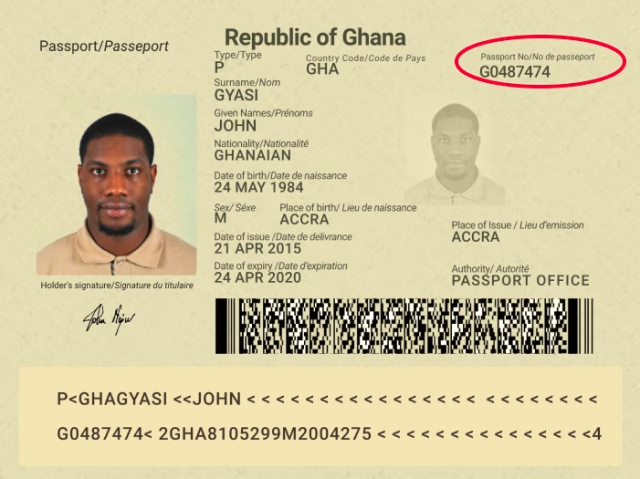
Obtaining a Ghanaian passport in 2025 is more streamlined than ever—thanks to an online application system supported by multiple biometric centers across the country. Whether you’re applying for the first time or renewing, here’s every step you need to follow.


1. 📄 Eligibility & Basic Documents

To apply, you must be a Ghanaian citizen—by birth, registration, naturalization, adoption, or enactment. You’ll need original documents to prove citizenship and identity: birth certificate, national ID, driver’s license, or school ID. Students, non‑formal workers, and homemakers may not need proof of profession, but business owners must provide business registration documentation


2. 🧾 Create an Online Application

  • Visit either passport.mfa.gov.gh or itcpassport.mfa.gov.gh and create an account via Ghana.gov with your active mobile number/email

New applicants:

  • Sign up or log in
  • Fill personal and passport details
  • Upload documents, including scanned birth certificate and identity proof
  • Provide guarantee information (guardians or guarantor signature may be required)
  • Once completed, you’ll receive an OTP to verify your account and continue the application.

3. 💳 Payment & Voucher Options

You can pay the application fee via Mobile Money through certified banks (Ecobank, GCB, Zenith) or buy a voucher in-person at bank branches  Fees as of mid‑2025:

  • Standard 32-page passport: GHS 50‑100 (~US $20)

  • Expedited (“Express”) 32-page: GHS 100 (~US $39)


4. 📍 Biometric Appointment at PAC

Select a nearest Passport Application Center (PAC) during setup. Ghana has multiple centers including Accra, Kumasi, Tamale, Tema, Ho, Sunyani, Koforidua, and premium centers in Accra, Kumasi, and Tamale

  • On appointment day, bring:
  • Printed application form
  • Original documents
  • Guarantor form (signed correctly)
  • You will be photographed and fingerprinted during this visit. Submit your application and retain the receipt with your expected collection date .

5. ⏱ Processing Time & Collection

  • Standard service: ~2–4 weeks (often closer to 4 weeks in practice)
  • Expedited service at premium center: 1–7 days, sometimes completed in less than an hour (for an extra fee)

Once ready, return to your PAC with your receipt. A final biometric check ensures you receive the correct booklet. Passports may come with courtesy flags or stickers on collection gis.gov.gh.


6. 💡 Common Applicant Mistakes to Avoid

  • Uploading blurry or low-resolution photos
  • Selecting the wrong PAC location
  • Forgetting to sign the guarantor form properly
  • Not watching SMS or email for readiness confirmations
  • Paying unofficial individuals (“goro boys”) for express service—this is not necessary if you use premium PACs directly astroafrica.site MyJoyOnline

7. 🧾 Passport Validity & Cost Overview

Passport booklets are valid for 10 years as of applications starting 31 March 2019 en.wikipedia.org.

Multiple passport types are available: Regular (32 pages), Regular (48 pages), and service/diplomatic passports.

Fees vary depending on page length and express vs. standard service.


🌍 Visa‑Free Travel: Where Ghanaian Passport Works Without Visa (2025)

As of mid‑2025, Ghanaian citizens can travel to around 42 countries visa‑free, plus additional countries offering visa-on-arrival or eVisa, offering a total of up to 84 destinations 

✅ Visa-Free Countries (Ghanaian passport, no visa required):

  • West & Central Africa: Benin, Burkina Faso, Cape Verde, Ivory Coast, Ghana, Gambia, Guinea, Guinea‑Bissau, Liberia, Mali, Niger, Nigeria, Senegal, Sierra Leone, Togo, Mauritania? (confirm as ECOWAS)
  • East & Southern Africa: Kenya (90 days), Rwanda (90d), Uganda (3m), Tanzania (3m), Zimbabwe (3m), Eswatini (30d)
  • Other notable destinations: Mauritius (90d), South Africa (90d), Malawi
  • Caribbean & Americas: Barbados (6m), Belize (1m), Dominica (6m), Grenada (3m), Guyana, Haiti (3m), Jamaica (6m), Saint Kitts & Nevis (3m), Saint Vincent & the Grenadines (3m), Trinidad & Tobago
  • Pacific & Oceania: Fiji (4m), Micronesia (30d), Kiribati (90d), Cook Islands (31d), Vanuatu (30d), Montserrat
  • Asia: Bangladesh (90d), Philippines (30d), Singapore (30d)

🛂 Visa‑on‑Arrival or eVisa Countries:

  • Visa-on‑Arrival (VOA): Zambia, Comoros, Djibouti, Madagascar, Seychelles, Ethiopia, Burundi, Laos? etc. (full list includes Cambodia, Jordan, Lebanon, Maldives, Nicaragua, Palau, Saint Lucia, Timor‑Leste, Tuvalu) VisaGuide World+1migrateworld.com+1

  • eVisa countries: Many Asia‑Pacific and African countries – e.g., India, Malaysia, Qatar, Bahrain, Oman, Georgia, Kazakhstan, Syria, Vietnam, etc. (around 40 listed) VisaGuide Worldmigrateworld.com


✈️ Travel Tips & Final Thoughts

  • Always hold a passport with at least 6 months validity before travel.

  • Check if your destination requires vaccination certificates or other health documents.

  • For countries not visa‑free, verify whether they accept eVisa or VOA to avoid refused entry.

  • Despite ECOWAS agreements, not all African countries allow free intra‑continental movement—only a few like Benin, Rwanda, Senegal, and Gambia guarantee Africa-wide visa-free access as per Pan‑African free movement protocols ft.comembassyfinder.orgmigrateworld.com.


📋 Summary Table

Section Key Points
Eligibility Ghanaian citizenship, ID documents
Online Process Ghana.gov account, upload docs, pay online
Payment Options Mobile money or bank voucher (Ecobank, GCB, Zenith)
Biometric Center (PAC) Accra, Kumasi, Tamale, Tema, Ho, etc.
Processing Times Standard: ~2–4 weeks; Express: 1–7 days
Common Errors Low photo quality, unsigned forms, wrong center
Visa-Free Travel 42+ countries; VOA/eVisa adds many more

Top Mobile Loan Apps in Zambia (2025 Edition)

Top Mobile Loan Apps in Zambia (2025 Edition)

In recent years, Zambia has witnessed a rapid rise in mobile lending services. With the increasing penetration of smartphones and mobile internet, mobile loan apps in Zambia are becoming a go-to option for quick, short-term credit. These apps offer fast disbursement, minimal paperwork, and user-friendly interfaces — catering to individuals, small businesses, students, and salaried workers alike.

Whether you need emergency funds before payday, capital for a side hustle, or help with medical or school bills, mobile loan apps can bridge the gap. But with so many apps available, which ones are actually reliable, safe, and worth trying?

In this guide, we break down the top mobile loan apps in Zambia, comparing interest rates, loan limits, requirements, and how to apply.


🇿🇲 Why Mobile Loans Are So Popular in Zambia

Zambia’s formal banking system still excludes many, especially in rural areas. High bank fees, strict collateral requirements, and long processing times make traditional loans inaccessible for many Zambians. That’s where mobile loans step in.

Benefits of Mobile Loan Apps:

  • Instant approvals (within minutes or hours)
  • No collateral required
  • 24/7 access via mobile phone
  • Loan repayment via mobile money (Airtel Money or MTN MoMo)
  • Building credit history for bigger future loans

📲 Top 10 Mobile Loan Apps in Zambia (2025)

1. Airtel Kwacha

Offered by: Airtel Zambia in partnership with JUMO
Loan Range: ZMW 20 – ZMW 3,000
Interest Rate: ~5% – 15% per month
Repayment Term: 7 – 30 days
Disbursement: Airtel Money wallet

Why Airtel Kwacha?
As one of the most accessible loan apps in Zambia, Airtel Kwacha requires no smartphone. You can apply directly using the USSD code *115#, making it ideal for feature phone users.

Pros:

  • Very fast disbursement
  • Works on any phone
  • No paperwork

Cons:

  • Lower limits for new users
  • Late payments affect your future borrowing

2. MTN MoMo Advance (Overdraft)

Offered by: MTN Zambia
Loan Range: Up to ZMW 1,000
Interest Rate: ~5% – 12% (based on usage)
Repayment: Automatically deducted from next deposit
Access: Dial *303#

Why MTN MoMo Advance?
This is more like an overdraft than a traditional loan. It lets you spend beyond your MTN MoMo wallet balance and settle when you top up.

Pros:

  • Instant access
  • Good for regular MTN MoMo users

Cons:

  • May not be suitable for large cash needs

3. ExpressCredit Zambia

Loan Range: ZMW 500 – ZMW 20,000
Repayment Term: 1 – 12 months
Interest Rate: 10% – 20% APR
Application: Mobile app + web

Why ExpressCredit?
Unlike Airtel and MTN, ExpressCredit focuses on larger, longer-term loans. It’s ideal for salaried individuals needing significant funding, such as school fees or furniture.

Requirements:

  • National ID (NRC)
  • Payslip or proof of income
  • Active phone number

Pros:

  • Higher loan amounts
  • More flexible repayment

Cons:

  • Slower approval
  • Requires documentation

4. Zazu Africa – Loan Marketplace

Type: Fintech Wallet + Loan Aggregator
Loan Amounts: Vary by lender
Interest Rate: Competitive
Available on: Android and iOS

Why Zazu?
Zazu is not just a lender—it’s a financial marketplace. You can compare loan offers from multiple providers within the app and choose the best rate.

Pros:

  • One app, multiple lenders
  • Budgeting tools included

Cons:

  • Not all Zambian lenders are integrated yet

5. Finclusion Group Zambia (Fin)

Loan Types: Short-term and SME loans
Application: Via partner apps
Loan Limits: Up to ZMW 10,000
Interest Rate: Competitive
Repayment: 1 – 6 months

Why Fin?
Finclusion works with employers to provide salary advance loans or small business credit. It’s ideal for employed Zambians or MSMEs with cash flow gaps.


6. Zamtel Kwacha

Status: In development / pilot stage (as of mid-2025)
Potential Offering: Loans via Zamtel mobile money wallet
Expected Features:

  • Instant approvals
  • No collateral
  • Works via USSD + app

Zamtel has teased an upcoming loan product to compete with MTN and Airtel. Keep an eye on this as it may disrupt the market once fully launched.


7. Bayport Zambia (Mobile Salary Loans)

Loan Amount: Up to ZMW 50,000
Interest Rate: Varies
Repayment: Up to 36 months
Application: Mobile-friendly website or app

Why Bayport?
Best for civil servants or formally employed individuals. These loans are payroll-based and offer better terms for high-income borrowers.


8. Unity Finance Zambia

Loan Amount: ZMW 500 – ZMW 5,000
Repayment Term: 1–6 months
Interest: ~10–25%
Application: USSD + app

Unity Finance combines mobile and branch-based lending. The mobile platform caters to repeat customers who want fast top-ups without visiting offices.


9. Kash Microfinance Zambia

Type: App-based credit provider
Loan Limit: ZMW 200 – ZMW 3,000
Repayment: 7 – 30 days
Interest Rate: 8% – 20% (depends on profile)

Why Kash?
Kash targets both urban youth and rural customers by offering micro-loans quickly. Good for urgent airtime, food, or school supplies.


10. Chilimba (Saving + Loan App)

Model: Rotating savings and lending
Platform: Android
Group Lending: Yes
Loan Value: Based on savings

Why Chilimba?
This is more of a community lending app. You join a trusted group and borrow against pooled savings. It’s great for people with informal incomes or seasonal jobs.


✅ How to Qualify for Mobile Loans in Zambia

Though requirements vary, most mobile loan apps ask for:

A Zambian NRC (National Registration Card)

An active SIM card (MTN, Airtel, or Zamtel)

Mobile money account

Good repayment history (if a repeat user)

Sometimes, proof of income or employment (for larger loans)


🔐 Are Mobile Loan Apps in Zambia Safe?

The Zambian government—through the Bank of Zambia (BoZ) and ZICTA—is working to ensure digital lenders are registered and compliant. However, some rogue or predatory lenders may still operate.

Before applying:

  • Check if the app is listed on Google Play or the App Store
  • Read user reviews
  • Never pay upfront “processing fees”
  • Review loan terms carefully (APR, penalties, etc.)
  • Don’t borrow from lenders demanding ID photos via WhatsApp

💡 Tips to Use Mobile Loans Wisely

  1. Borrow only what you need
  2. Repay on time to build credit and qualify for more
  3. Compare interest rates before choosing an app
  4. Avoid stacking multiple loans
  5. Use loans for income-generating or critical needs, not luxuries

🧮 Comparison Table

App Max Loan Interest Rate Term Apply Via
Airtel Kwacha ZMW 3,000 5%–15% 7–30 days *115#
MTN MoMo Advance ZMW 1,000 5%–12% Flexible *303#
ExpressCredit ZMW 20,000 10%–20% Up to 12m App/Web
Zazu Africa Varies Market rates Varies App
Fin Zambia ZMW 10,000 Varies 1–6 mo Employer
Bayport ZMW 50,000 Varies 6–36 mo App/Web
Unity Finance ZMW 5,000 10%–25% 1–6 mo App/USSD

📌 Final Thoughts

The rise of mobile loan apps in Zambia has made borrowing faster, easier, and more inclusive. From Airtel Kwacha’s simple USSD loans to ExpressCredit’s large personal loans, there’s a solution for almost every need. However, it’s important to borrow responsibly, choose apps with transparent terms, and prioritize repayment discipline.

Before choosing a loan app, ask yourself:

  • What’s the interest rate?
  • Are there hidden charges?
  • Can I realistically repay it on time?

Responsible borrowing = better financial future.

Beyond the Headlines: Uncovering Somalia’s Hidden Gems (with Real Traveler Insights)

Somalia's Hidden Gems
Photo by Maxim S

Somalia’s Hidden Gems

Somalia, with its vast coastline, ancient history, and vibrant culture, offers a compelling journey for the intrepid traveler seeking an authentic and unforgettable experience. Moving past the popular tourist narratives, the country reveals a rich tapestry of historical sites, pristine beaches, and breathtaking natural landscapes. But what is it really like to travel there? We’ve gathered some real-life insights to paint a more complete picture.

1. The Ancient Art of Laas Geel (Somaliland)


Located near the city of Hargeisa, Laas Geel is a must-see for any history buff. This archaeological site is home to some of Africa’s most well-preserved rock art, with cave paintings estimated to be thousands of years old. The vivid depictions of cattle, giraffes, and human figures provide a mesmerizing glimpse into the lives of ancient people.

Traveler Insights: A TikTok video by a travel creator beautifully captures the magic of this place, with a caption stating, “It’s a truly magical place and being here is as if you’re receiving a message from 9000 years ago.” The comments section is filled with praise from locals and other travelers, with one user saying, “My country 🥰 thank you for visiting.” Another traveler’s testimonial on a tour company’s website calls the cave art “beautiful and not to be missed,” adding that the trip “exceeded my expectations.”

@thegermantravelguy

Back in SOMALIA 🇸🇴🔥 Before I travelled to Palau, I thought it was time for me to visit Somalia proper. It was the only “disputed” territory that I had counted on my list. Going to Mogadishu before Palau made my mission a lot more satisfying to finish🙌 #somalia #africa #somaliland #travel #traveltiktok #countries #adventure #fypシ゚

♬ original sound – Luca Pferdmenges

2. The Sun-Drenched Shores of Berbera (Somaliland)


Berbera, a historic port city on the Gulf of Aden, is a coastal gem with a unique blend of Ottoman and colonial architecture. Its beaches, like Batalaale, are known for their clear waters and a laid-back atmosphere.

Traveler Insights: A traveler on a blog described Berbera as a “run-down, but charming port city with a wonderful atmosphere.” Despite the dusty streets and shot-up buildings from past conflicts, they noted, “there is something magic about the town.” They also highlighted the “excellent grilled fish” available at local restaurants. Another traveler’s review on a tour agency site praised the “beautiful juxtaposition” of Berbera’s beaches and the surrounding mountains, calling it a “best-kept secret.”


3. The Enduring Spirit of Mogadishu


Mogadishu, the capital city, is a testament to resilience and renewal. While travel here requires significant security precautions, it offers a fascinating look at the city’s journey to a hopeful future. The beaches, including Lido and Jazeera, are popular spots for locals to socialize.

Traveler Insights: A popular travel vlogger on YouTube, who has visited every country in the world, described his experience in Mogadishu: “Once I have looked past all the military checkpoints and I’ve gotten over my initial anxiety of being here, I am seeing an amazing culture with some of the kindest people I’ve ever met.” Another traveler on TikTok, who visited Mogadishu, noted that the city “is very modern” with “5G mobile internet connectivity” and “unlimited internet is only $20!” The comments section of these videos reflects a mix of perspectives, with some local Somalis welcoming the visitors and others expressing concern about safety, emphasizing the importance of a security escort.


4. The Ancient Port of Zeila (Somaliland)


On the Gulf of Aden, the historic port town of Zeila once served as a vital trading post. Today, it’s a treasure trove of ancient ruins and archaeological sites. The town’s rich history and serene atmosphere make it a perfect destination for those looking to step back in time.

Traveler Insights: An article by a travel media outlet highlighted Zeila as one of Somalia’s diverse attractions, noting its historical importance and “scholastic links” that connect it to ancient trade networks. While specific tourist reviews are rare, the sentiment is that Zeila is a destination for true explorers seeking to connect with the past.


Important Note for Travelers: Somalia remains a high-risk travel destination. Many government travel advisories, like the one from the U.S. Department of State, recommend against all travel. For anyone considering a trip, it is absolutely essential to work with a specialized and highly reputable security and tour company that understands the local landscape. As one traveler noted on Reddit, “Mogadishu is not safe even for some somalis.” It’s a trip that requires extensive planning, local guides, and an understanding of the immense challenges and security measures required. However, for those who take the necessary precautions, the rewards can be a deeply personal and unforgettable experience.


Copyright: Registering Your Music, Photographs and Other Works in Uganda

0
Copyright is a legal expression that describes the rights given to creators of literary and artistic works for the benefit of recognition, identification, and...